

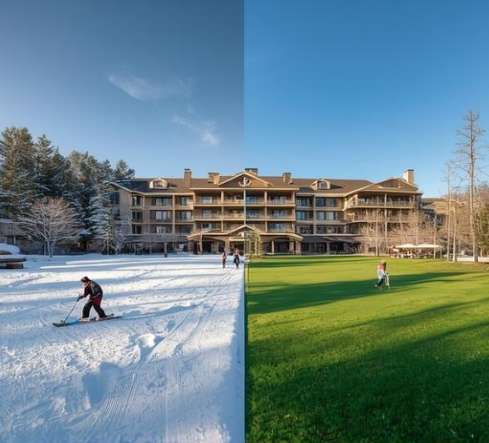
The magnetism of alpine destinations once revolved solely around their winter allure, fresh powder, roaring lodge fires, and well-groomed ski runs. But today’s mountain resorts have evolved far beyond their snow-covered roots. Tamarack, for example, has built a rental model that supports both summer and winter terrain seekers, as detailed on https://tamarackidaho.com/. The most successful resorts are now engineered for year-round appeal, offering guests not just a season, but a lifestyle.
Reimagining the Slopes Beyond Winter
Resorts historically tethered to the winter months now operate on a four-season model. While the thrill of cutting through powder on a snowboard or gliding down a crisp piste remains unmatched, guests are equally drawn to hiking wildflower-covered trails in spring, ziplining through treetops in summer, or attending harvest festivals come fall. These resorts have transformed from ski-centric hubs to dynamic alpine playgrounds.
This evolution hasn’t just increased revenue—it’s created a repeat guest base that comes for winter sports and stays for summer concerts, mountain biking, and tranquil spa experiences.
Strategic Infrastructure: Lifts, Gondolas, and Chairlifts Reinvented
What once transported skiers to lofty peaks now serve hikers, sightseers, and mountain bikers. Chairlifts and gondolas—integral during ski season—play a new role in warmer months, providing easy access to high-altitude vistas and scenic trails. Smart resorts retrofit their infrastructure for dual-season use, reducing idle assets and maximizing ROI.
Additionally, ski patrol teams don’t just pack up after April. They pivot to safety and rescue roles for climbers, bikers, and summer adventurers. The same applies to ski school instructors, many of whom transition to guiding rock climbing expeditions or leading nature walks when snow melts into stream-fed paths.
Gear Up Year-Round: Equipment Rentals and Alpine Fashion
Gone are the days when rental shops collected dust in off-season months. Modern alpine shops now stock kayaks, hiking boots, and e-bikes next to racks of ski poles and snowboards. Brands have responded with versatile gear—ski jackets designed to shed inner layers, all-terrain footwear that fits snowshoes or trail grips, and ski boots that come with convertible inserts.
This shift has helped resorts retain staff year-round while encouraging guests to rent instead of purchase, ensuring access to the latest equipment each visit. Somewhere between the snow-caked lodge and the sun-drenched trailhead.
Trail Systems Designed for Dual Terrain
Today’s resort trail maps resemble metro systems—layered, color-coded, and multi-use. A piste that serves skiers in January becomes a mountain biking course or trail run in July. Resorts invest heavily in terrain design, ensuring that trails can safely accommodate both activities, with signage, guide posts, and GPS integrations that adapt per season.
Snow grooming machines moonlight as trail graders in warmer months, while ski runs evolve into race venues for mud obstacle events and outdoor fitness competitions. The alpine terrain has become a chameleon canvas for outdoor recreation.
The Chalet, Reimagined
While traditional chalets with their A-frame roofs and roaring fireplaces remain iconic, their interiors and amenities have undergone a transformation. Heated outdoor pools, yoga terraces, hybrid après-ski/summer wine bars, and upgraded ski lockers now serve year-round adventurers. Lodges have become hubs for both digital nomads and hardcore athletes.
Tech-driven conveniences like app-based check-ins, virtual concierge services, and real-time lift wait updates enhance guest satisfaction. Many resorts also repurpose their ski pass infrastructure to offer seasonal access bundles, allowing users to ski in the winter and zipline in the summer under the same pass system.
The Après-Ski Mentality, Every Season
What started as a post-slope indulgence has turned into a full-fledged experience that transcends skiing. Music festivals, brewery pop-ups, and firepit storytelling sessions have replaced—or extended—the après-ski scene. Some resorts now run themed event series: “Après Hike Fridays” with craft cocktails and trail guides, or “Bike & Brew Weekends” that blend adrenaline and artisan ales.
The culture is no longer defined by snow but by elevation, lifestyle, and community. This cultural crossover ensures that mountain resorts aren’t just tourist destinations—they’re recurring chapters in guests’ personal stories.
Elevating the Learning Experience
Ski schools were once strictly winter institutions, teaching children to balance on skis and master the bunny slope. Today, they’re year-round academies of movement. Kids can enroll in nature camps, mountain safety training, and even mini survivalist workshops. Ski instructors turn into wilderness educators, and terrain parks double as climbing walls or team challenge zones.
This continuity not only keeps families engaged across multiple visits, but builds a strong loyalty to both the resort and the instructors who become year-round mentors.
The Future Is Vertical, Not Seasonal
All-season alpine resorts aren’t just stretching their operating calendar—they’re rethinking how they define value. By investing in versatility, resorts can leverage their existing terrain, infrastructure, and brand recognition across all 12 months. The move from seasonal operation to lifestyle destination is not just smart business—it’s a necessity in a climate-conscious, experience-driven market.
Guests no longer arrive with a single goal in mind, such as mastering a new ski run or renting the perfect snowboard. They come to immerse themselves in mountain culture, whether by gliding over powder, biking through switchbacks, soaking in hot springs, or sipping wine under the stars.
By creating a year-round emotional connection to their slopes, lodges, and trails, these resorts don’t just win a booking—they win loyalty for life.