

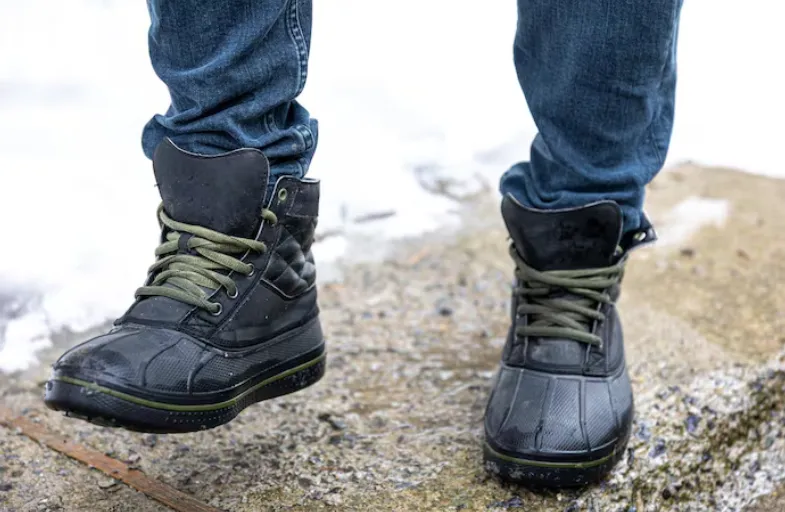
Picking the right shoes sounds simple until you actually stand in front of a wall of options and realize your feet have opinions too. Weather changes, work changes, weekend plans change, and somehow your footwear needs to keep up with all of it. A lot of folks grab whatever looks decent and hope for the best, but that usually ends with sore heels by lunchtime. If you work outdoors or on rough job sites, Caterpillar work boots are worth a look early in your search because they hold up when pavement turns to mud and mud turns to gravel. Getting this decision right from the start saves you money, blisters, and a whole lot of complaining later.
Rainy Days Need Real Traction
Florida weather especially loves to switch from sunny to soaked in about four minutes flat, and your shoes need to handle that mood swing. Look for soles with deep grooves, not the flat smooth kind that turn a wet sidewalk into an ice rink. Materials matter here too. Leather with a treated finish sheds water better than canvas, which basically acts like a sponge the second a puddle shows up. Nobody wants to squish through their afternoon because their sneakers decided to soak everything up like a paper towel.
Summer Heat Changes Everything Fast
Once the temperature climbs, breathability becomes the whole ballgame. Mesh panels, moisture wicking liners, anything that lets air move around your foot instead of trapping heat inside is worth chasing. Sandals get a lot of love this season, and for good reason, but if your day includes walking long distances or standing on hard floors, a supportive sandal beats a flimsy flip-flop every single time. This is also where Caterpillar work shoes come into the picture for people who need something sturdier than a sandal but lighter than a full boot, especially on job sites where the sun is brutal but the ground still demands protection.
Cold Snap Footwear Still Matters Here
Even in warmer states, there are a handful of days each year where the cold actually bites. Layered socks help, sure, but the shoe itself needs some insulation too, or you end up with numb toes by nine in the morning. A slightly higher cut around the ankle blocks winds better than low top sneakers, and honestly most people underestimate how much that little bit of coverage changes comfort on a chilly commute.
Walking Trips Deserve Better Planning
Travel days are brutal on feet, whether you are chasing a theme park map or wandering a new city block by block. The shoe that felt fine in the store can feel like torture after six hours of pavement pounding. Cushioned insoles and a roomier toe box make a bigger difference than most people expect, since feet actually swell a little during long walking stretches. Breaking shoes in before a trip, even just wearing them around the house for a few evenings, saves a ton of regret once you are three miles into a vacation with nowhere to sit down.
Work Sites Ask for Toughness
Jobs that involve standing on concrete, climbing ladders, or dodging heavy equipment need shoes built for abuse, not fashion. Reinforced toes, slip-resistant soles, and shock-absorbing midsoles are not extras here, they are basically requirements. Skipping these features to save a few bucks tends to backfire fast, usually right around the time your ankle rolls on a loose pallet or your foot slides on a wet floor. Durability should always beat looks when the job gets physical.
Weekend Plans Change the Rules
Not every day needs heavy-duty gear. A relaxed Saturday running errands or grabbing coffee calls for something lighter and easier to slip on. This is where casual sneakers or slip-resistant loafers earn their keep, giving your feet a break from anything stiff or overly supportive after a long work week. Comfort during downtime matters just as much as protection during work hours, even if it gets less attention.
Matching Shoes to Real Life
The honest truth is most people own too many shoes that do nothing well and not enough that actually match how they live. Think through your week instead of just your closet. If Monday means job site gravel and Friday means a slow walk through a farmers market, your shoe rotation should reflect that instead of forcing one pair to survive everything. A little planning here goes further than people expect, and it usually saves money too since shoes bought for the wrong purpose wear out fast.
Conclusion
Choosing the right shoes for each season and activity really comes down to paying attention to what your day actually demands, not just what looks good on a shelf. Rain calls for grip, heat calls for airflow, work calls for toughness, and travel calls for comfort that lasts for miles. Once you start matching footwear to real plans instead of guessing, your feet notice the difference almost immediately. For a wider look at options across these categories, fitnshoes.com is a good place to keep exploring what fits your routine best.